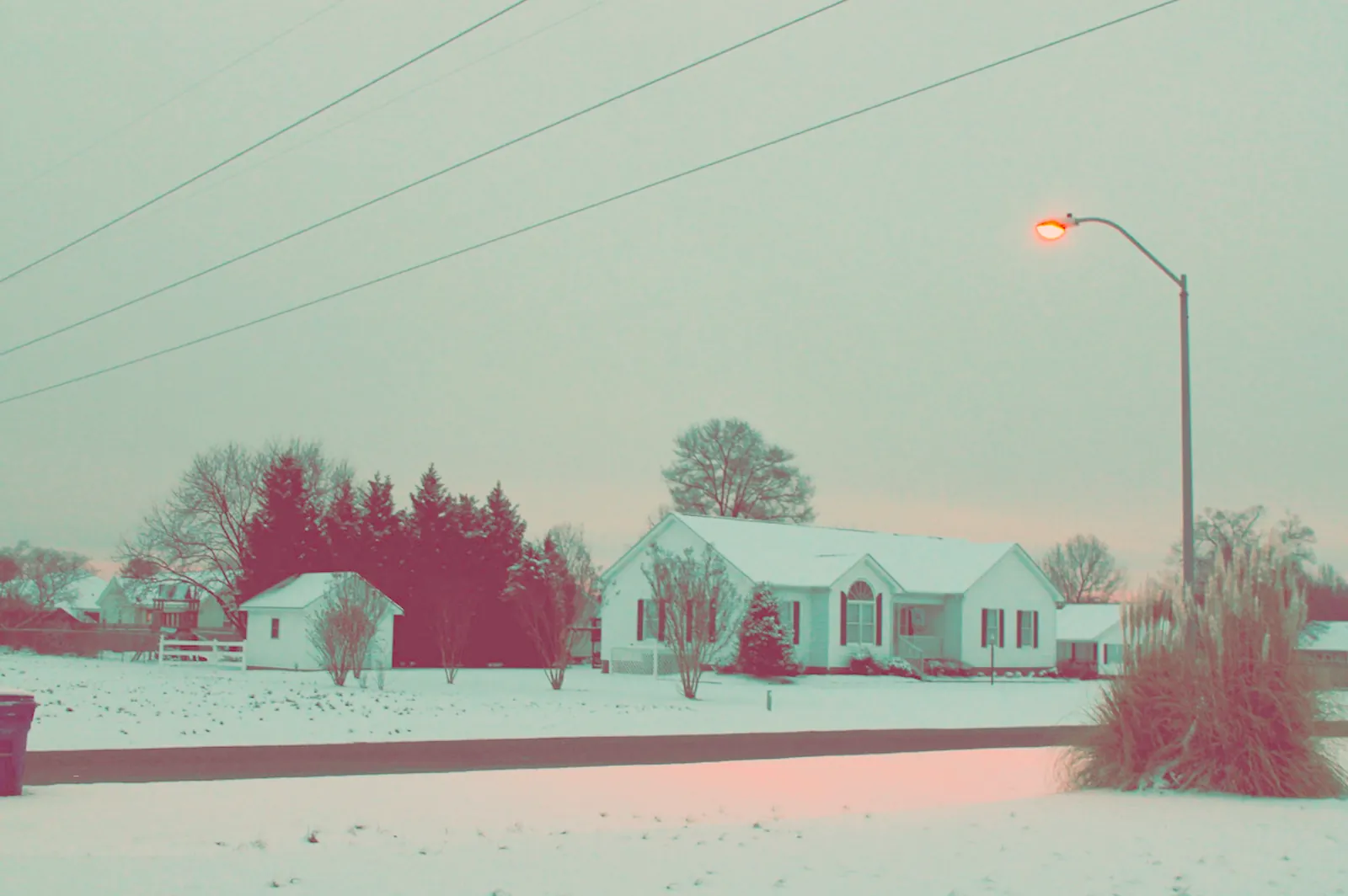
01Start with light, then dim it
In the far north the sun can set before 4 pm in December. Get outside for even fifteen minutes around midday, then, as the evening goes on, switch from bright overhead lights to warm lamps. The gradual dimming is one of the clearest signals your body gets that bedtime is coming.
02Warm the room you actually use
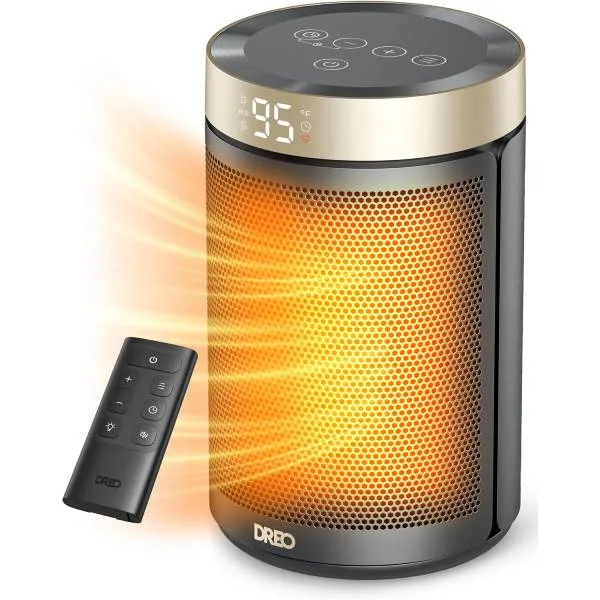
There is no need to heat the whole house to a tropical temperature. A small ceramic heater with a thermostat warms the room you read or relax in, and switches itself off if it tips over or gets too hot. Keep it at least three feet from blankets, curtains and furniture, and turn it off when you leave the room.

03Give tired muscles twenty minutes
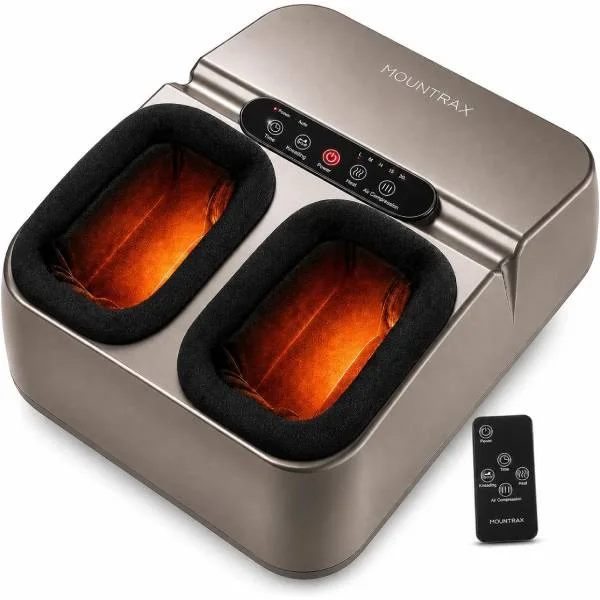
Shoveling, scraping windshields and hunching against the cold all leave shoulders tight and feet tired. Twenty minutes with a heated foot massager or a shiatsu neck massager while you listen to music is an easy way to switch off. Most models stop automatically after a set time, so you can relax without watching the clock.
04Look after skin in the dry indoor air
Heated indoor air in winter is very dry, and skin and eyes feel it first. Drink water through the evening, use a rich moisturizer before bed and try cooling eye patches for ten minutes while you wind down. Keep showers warm rather than hot.
05Put the screen down an hour before sleep
Long evenings make it tempting to scroll until midnight. Pick a time, put your phone on charge in another room and swap it for a book, a puzzle or a painting project. A regular bedtime, even at weekends, is the single most useful habit for winter sleep.
06Products mentioned in this guide



This guide is general wellness information, not medical advice. If you have ongoing trouble sleeping or low mood in winter, talk to your doctor.